ЧАСТИ ЧАСТИ ЧЕНТ
Продукты

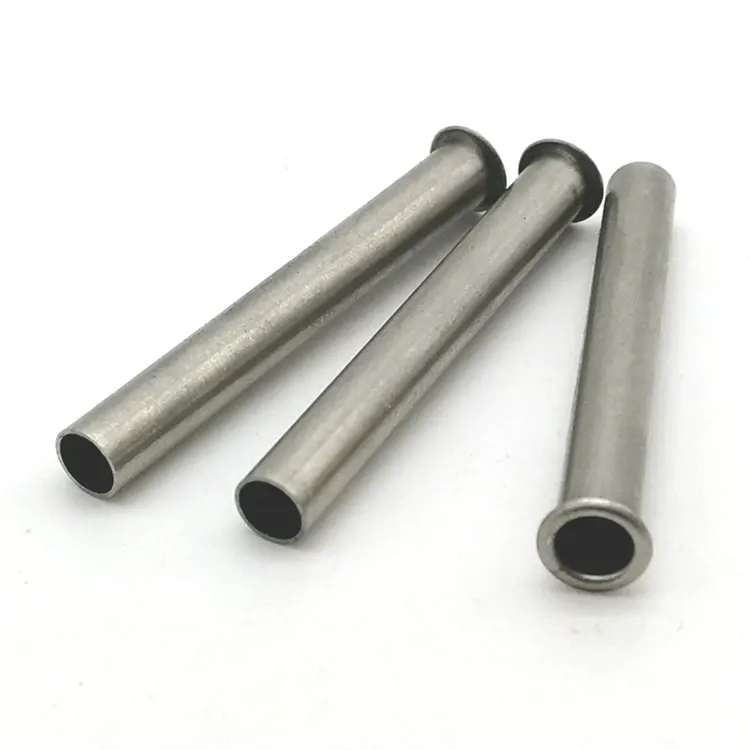
- View as
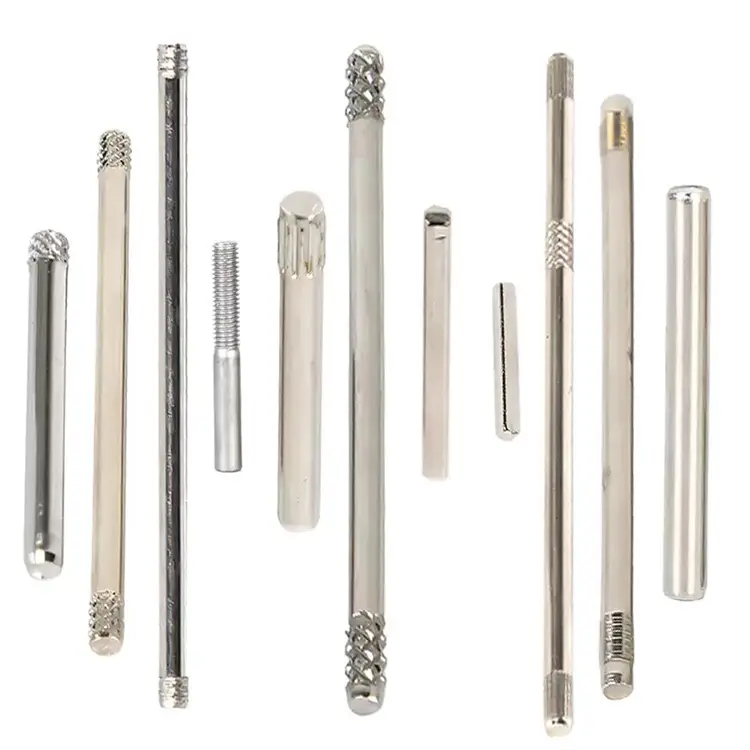
Стальной вал и штифты с накаткой
Nuote Metals производит валы и штифты с накаткой из углеродистой стали различных размеров, они могут быть изготовлены не только из стали, но также из нержавеющей стали и латуни или по запросу. Допуск вала с накаткой может составлять +/- 0,005 мм.
Читать далееОтправить запрос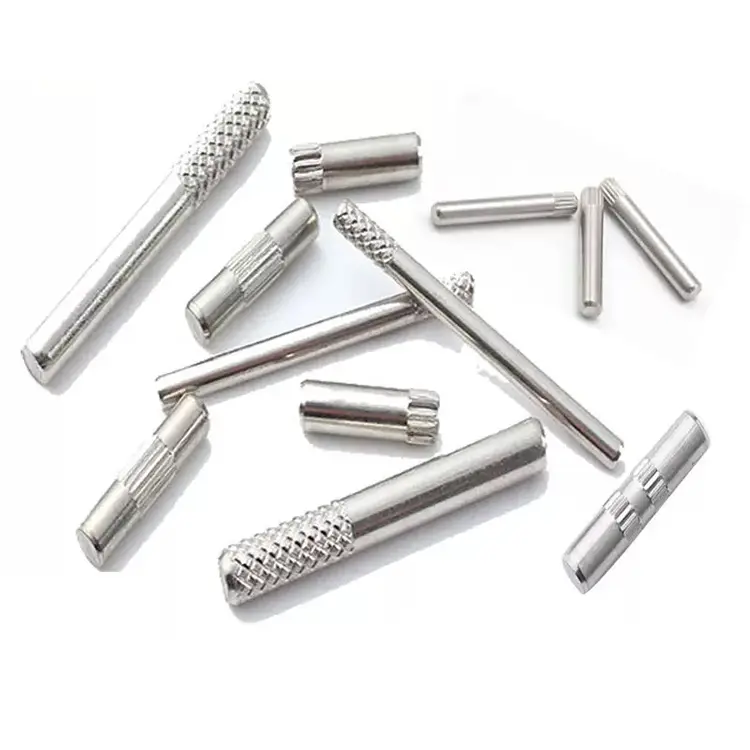
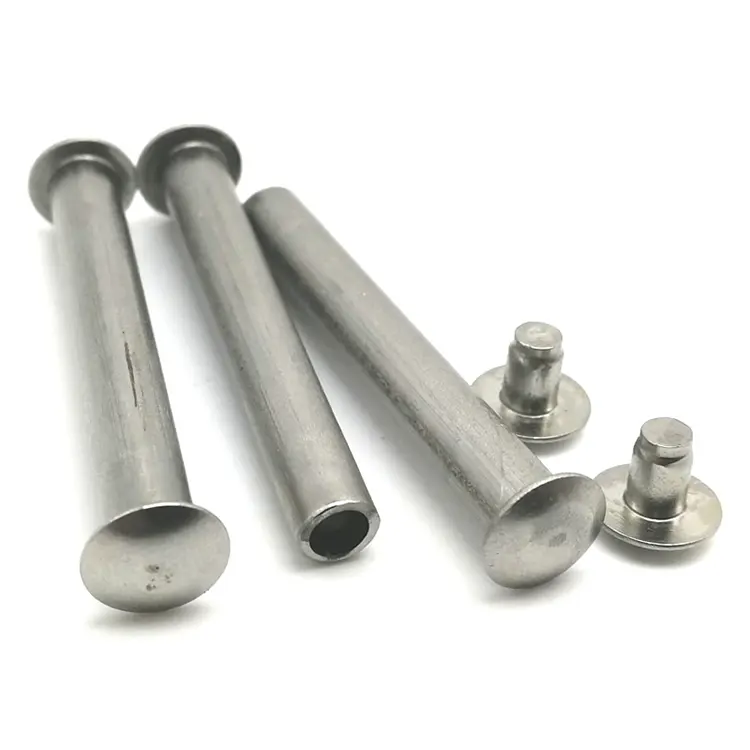
Вал из нержавеющей стали
Nuote Metals предлагает валы из нержавеющей стали марок 303, 304 или 316L. У нас более 10 лет опыта работы. Все наши валы из нержавеющей стали изготавливаются с точными допусками, что снижает нежелательную дополнительную вибрацию, а также уменьшает трение на натяжных роликах или подшипниках.
Читать далееОтправить запрос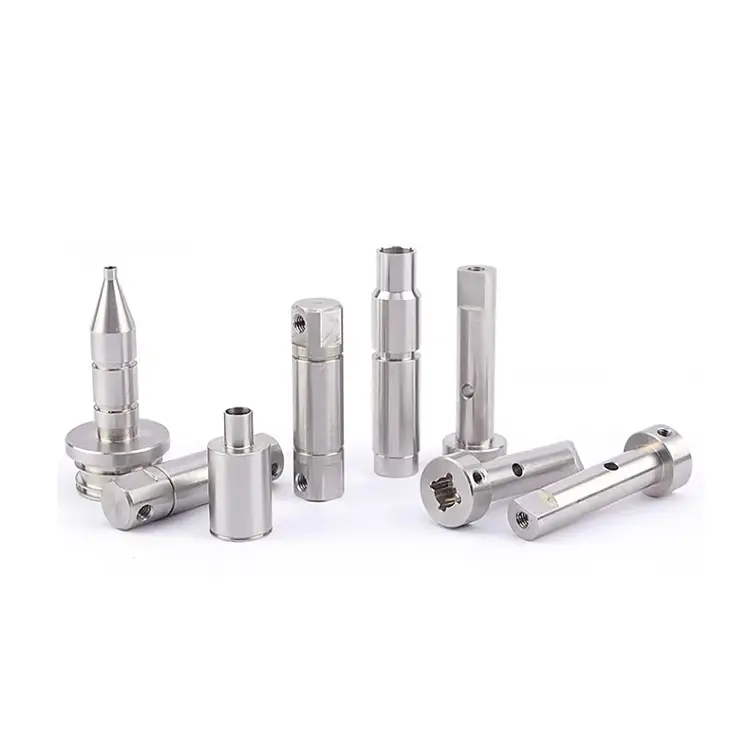
Обработка нержавеющей стали с ЧПУ
Nuote Metals предлагает детали из нержавеющей стали с ЧПУ с очень гладкой поверхностью. они обладают более высокой прочностью, превосходной ударопрочностью и отличными термостойкими свойствами. Мы обладаем более чем 10-летним опытом работы в этой отрасли и предлагаем комплексное решение для ваших потребностей в деталях из нержавеющей стали.
Читать далееОтправить запрос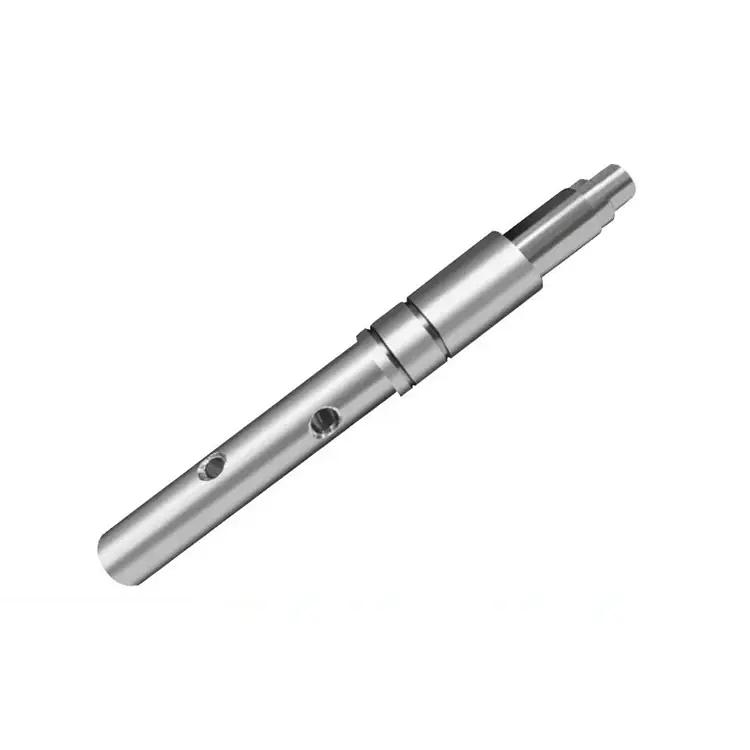
Обработанные детали
Nuote Metals производит механически обработанные детали в Дунгуане, Китай. Имеем опыт работы более 10 летСервис механической обработки с ЧПУ. Детали, которые мы изготавливаем, могут иметь точность +/- 0,003 мм.
Читать далееОтправить запрос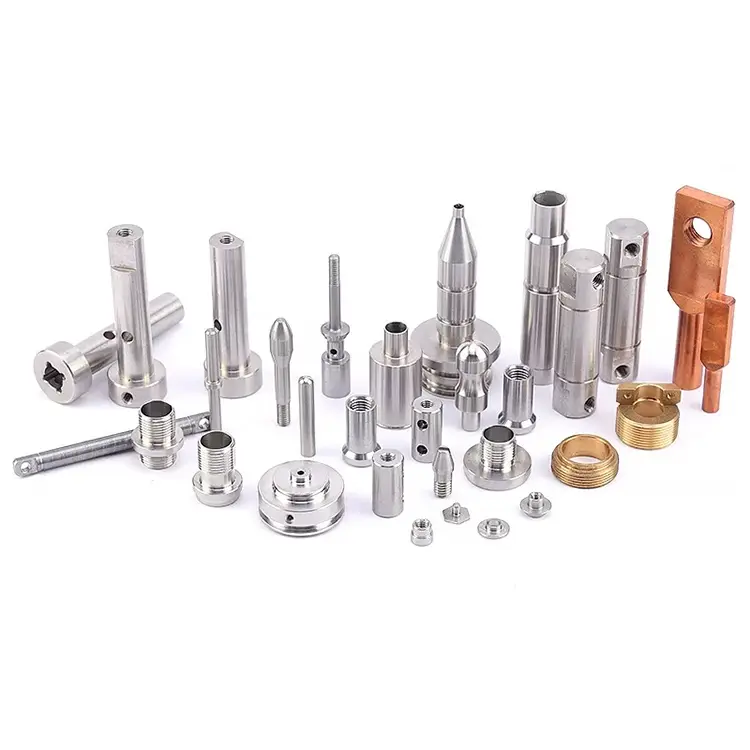
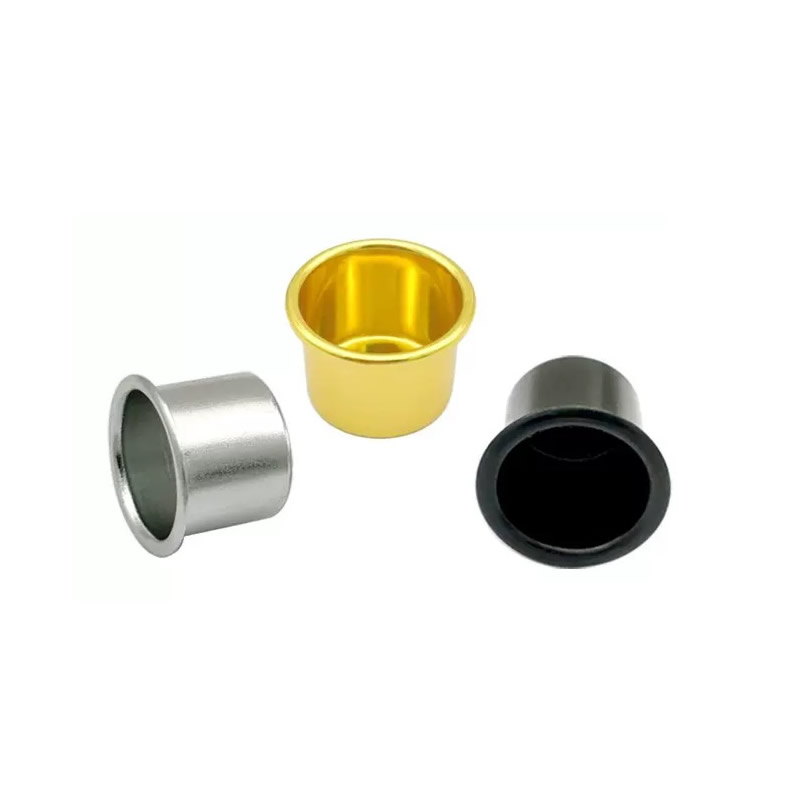
Обработанные компоненты
Nuote Metals специализируется на производстве механически обработанных компонентов из различных материалов, включая алюминий, сталь, нержавеющую сталь, латунь и титан. Сосредоточив внимание на точности и эффективности, мы используем полностью автоматизированные станки с ЧПУ для достижения беспрецедентной повторяемости размеров и производительности.
Читать далееОтправить запрос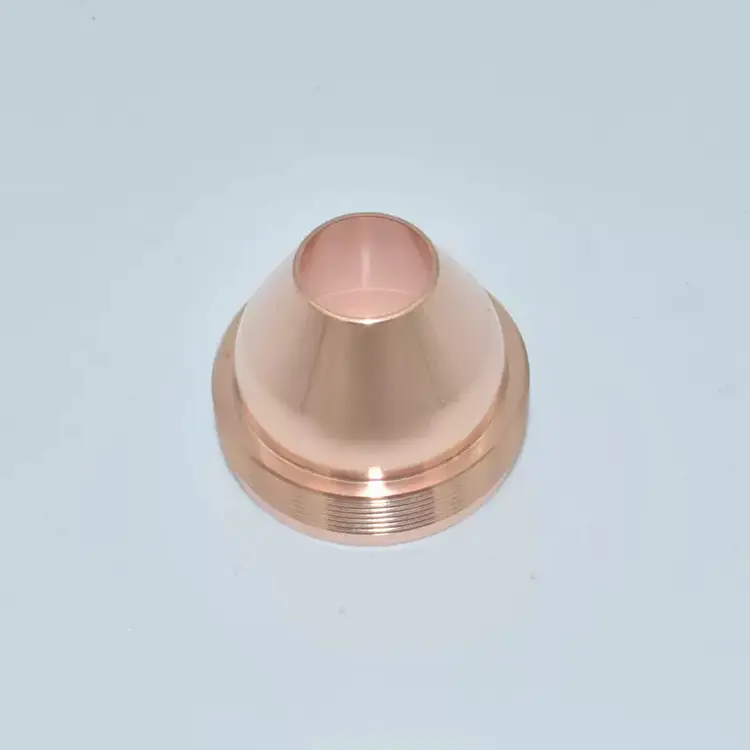
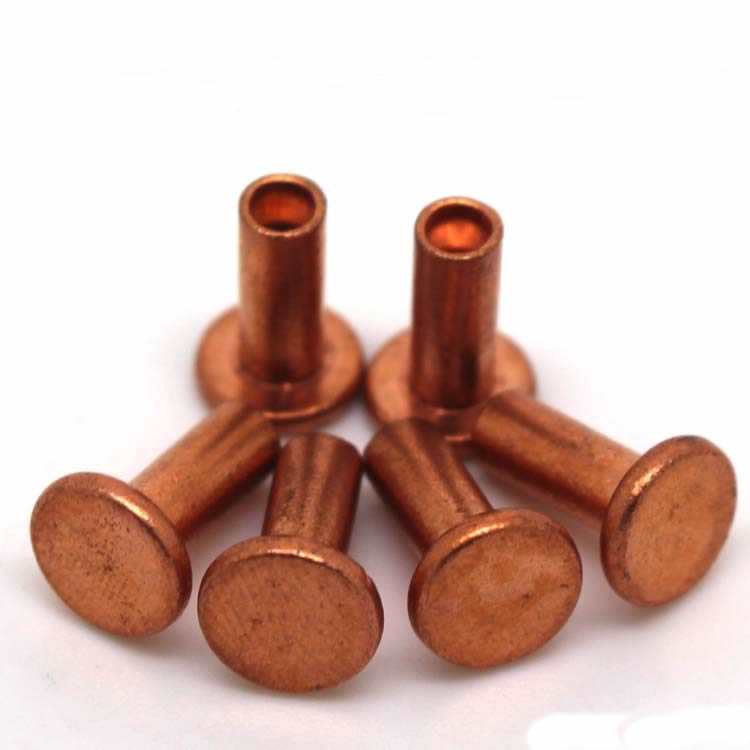
Обработка меди с ЧПУ
Компания Nuote Metals расположена в Дунгуане, Китай. Мы известны своим точным машиностроением и уделяем особое внимание обработке меди с ЧПУ. Наш опыт в создании обработанных медных деталей с использованием технологии ЧПУ для меди отвечает различным промышленным требованиям, уделяя особое внимание качеству и индивидуальному заказу.
Читать далееОтправить запросMain points and precautions for processing different materials
Main points for steel turning:
(1) When performing high-speed cutting, the cutting depth should not be too large to prevent the cutting edge from overheating and becoming brittle and damaged;
(2) Pay attention to cooling and spray water or oil on the cutting area in time;
(3) Pay attention to selecting the appropriate tool type and cutting parameters.

Main points for brass turning:
(1) The processing speed should not be too fast to prevent thermal deformation of the material;
(2) Select appropriate cutting fluid and tool;
(3) Pay attention to tool wear and damage to the cutting edge.

Main points for aluminum turning:
(1) Use cutting fluid to reduce chips;
(2) Select appropriate cutting parameters;
(3) Pay attention to avoiding heating in the cutting area and preventing the cutting edge from deteriorating.

Key points of Stainless steel turning:
(1) Stainless steel has a high plastic deformation capacity. During processing, it is important to control the processing volume to avoid excessive deformation;
(2) Select appropriate cutting parameters and cutting fluids;
(3) Pay attention to tool wear and damage.
What are the advantages of CNC turning processing?
1. High precision: CNC turnings can achieve high-precision processing, and their accuracy can reach below 0.01mm.
2. High efficiency: CNC turnings have fast processing speeds and can continuously process multiple workpieces, which improves production efficiency.
3. High degree of automation: CNC turnings are controlled by computer programs, with a high degree of automation, which reduces the difficulty of manual operation.
4. Stable workpiece quality: CNC turnings have stable processing and high precision, which effectively guarantees the quality of workpieces.
What fields are CNC turning parts mainly used in?
CNC turnings are widely used in high-precision fields such as model manufacturing, aerospace, and satellite manufacturing. At the same time, they are gradually entering large-scale production fields such as automobiles, machinery, and chemicals. CNC turning processing has become an essential tool for modern high-precision, high-efficiency manufacturing.
Conclusion
This concludes our introduction to CNC turning processing. With the continuous advancement of technology, CNC turning processing will be applied in more fields, ushering in even broader development prospects.



X
Мы используем файлы cookie, чтобы предложить вам лучший опыт просмотра, анализировать трафик сайта и персонализировать контент. Используя этот сайт, вы соглашаетесь на использование нами файлов cookie.
политика конфиденциальности