Штамповка деталей
Notin invites you to visit our factory to purchase the newest, best-selling, affordable, and high-quality Stamping Parts. We are looking forward to working with you.
What are stamping parts?
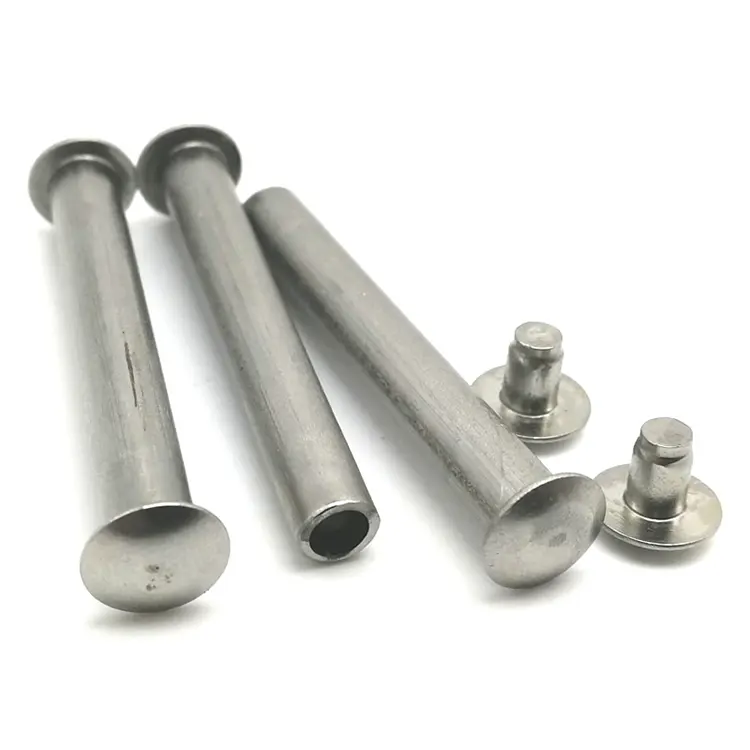
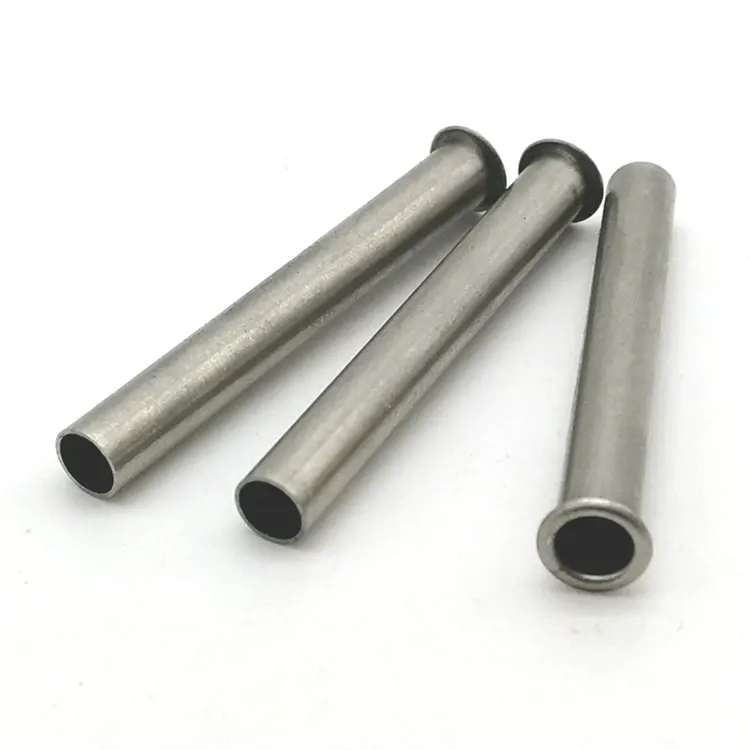
stamping parts are metal parts manufactured through a stamping process, using dies and presses to shear, bend, and stretch sheet metal (such as steel, aluminum, or copper) to form the desired shape. The core characteristics of this process are high efficiency and precision. Stamping can be categorized into two main types: separation processes (such as punching and blanking) and forming processes (such as drawing and flanging), to meet different structural requirements.
What are the main characteristics of stamping parts?
1. Compared to casting and forging, stamping parts are thinner, more uniform, lighter, and stronger. Stamping can produce workpieces with ribs, ribs, corrugations, or flanging that are difficult to create using other methods to increase rigidity.
2. Due to the use of dies, workpiece precision can reach micron levels, with high repeatability and consistent specifications, including punched holes and bosses. Cold stamped parts generally require no or minimal cutting.
3. The precision and surface finish of hot stamped parts are lower than those of cold stamped parts, but still superior to those of castings and forgings, requiring less cutting. 4. Using composite dies, particularly multi-station progressive dies, allows multiple stamping steps to be completed on a single press, achieving automated production from strip uncoiling, leveling, blanking, to forming and finishing.
5. High production efficiency, good working conditions, and low production costs enable the production of hundreds of pieces per minute. Stamping is primarily categorized by process into separating and forming.
6. The surface and internal properties of the stamped sheet material significantly impact the quality of the stamped product, requiring consistent thickness and uniformity of the stamped material.
7. The surface must be smooth, free of scars, scratches, or surface cracks, with uniform yield strength and no apparent directional variation; high uniform elongation; low yield strength; and low work hardening.
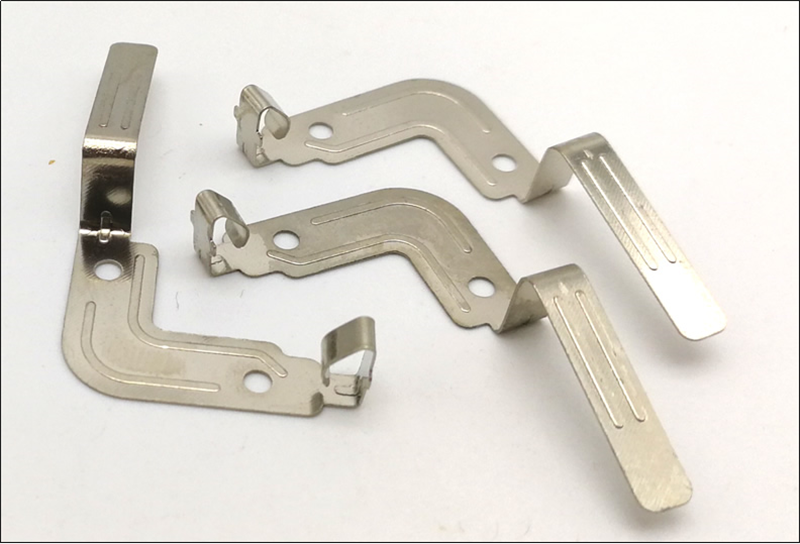
Metal Stamping Design Process
Metal stamping is a complex process that may include numerous metal forming steps—blank-cutting, punching, bending, and piercing, among others. Blanking: This process involves cutting the rough outline or shape of the product. This stage is focused on minimizing and avoiding burrs, which increase part cost and extend delivery time. This step is where you determine the hole diameter, geometry/taper, edge-to-hole spacing, and insert the first punch.
Bends: When designing bends in stamped metal parts, it's important to leave enough material—make sure to design your part and its blank so there's enough material to make the bend. Some important factors to keep in mind:
If the bend is too close to the hole, it may deform.
Notches, tabs, and notches should be designed with a width of at least 1.5 times the material thickness. Any smaller and they may become difficult to manufacture due to the forces exerted on the punch, causing them to break.
Each corner in the blank design should have a radius of at least half the material thickness.
To minimize the occurrence and severity of burrs, avoid sharp corners and complex cuts whenever possible. When these factors cannot be avoided, be sure to note the burr direction in the design so that it can be accounted for during stamping.
Coining: This action involves striking the edge of a stamped metal part to flatten or break burrs. This creates a smoother edge in the coined area of the part geometry. It can also add additional strength to localized areas of the part, which can avoid secondary operations such as deburring and grinding.
Продукты

- View as
Штампованные металлические детали
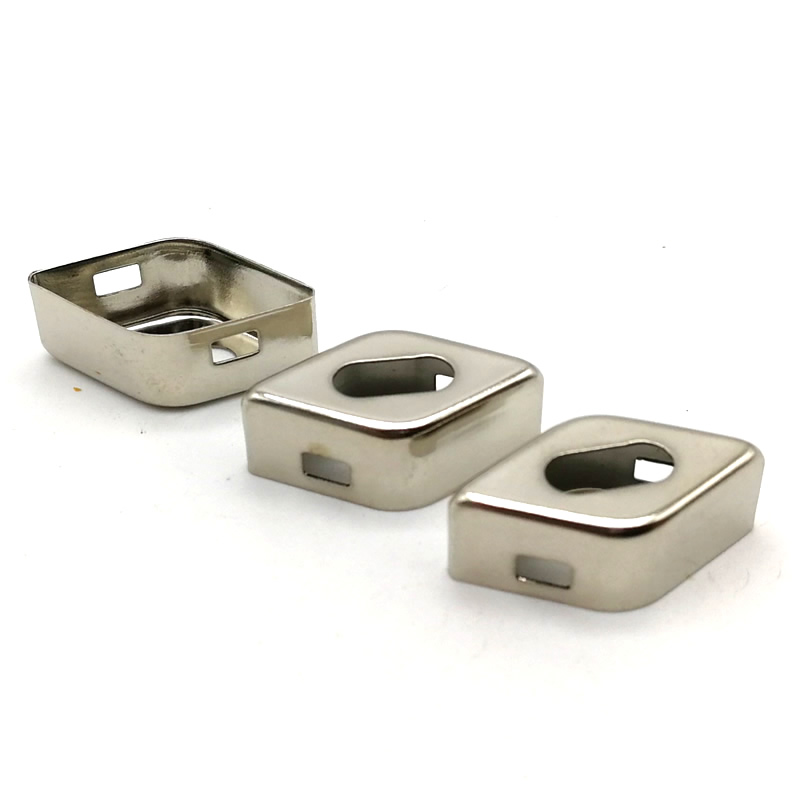
На нашем заводе в Китае компания Nuote Metals производит штампованные металлические компоненты по индивидуальному заказу для различных отраслей промышленности: автомобилестроения, бытовой техники, электроники и аппаратного обеспечения. Используя высокоскоростные прессы и прецизионные штампы, мы превращаем сталь, латунь, алюминий или нержавеющую сталь в сложные детали без заусенцев с жесткими допусками. Если вам нужны кронштейны, зажимы, клеммы или шасси, наш процесс штамповки гарантирует повторяемость и экономическую эффективность. Устраняйте несоответствия в поставках и отклонения размеров с помощью надежных компонентов, доставляемых вовремя. Доверьте нам качество, которое обеспечит бесперебойную работу вашей сборочной линии.
Читать далееОтправить запрос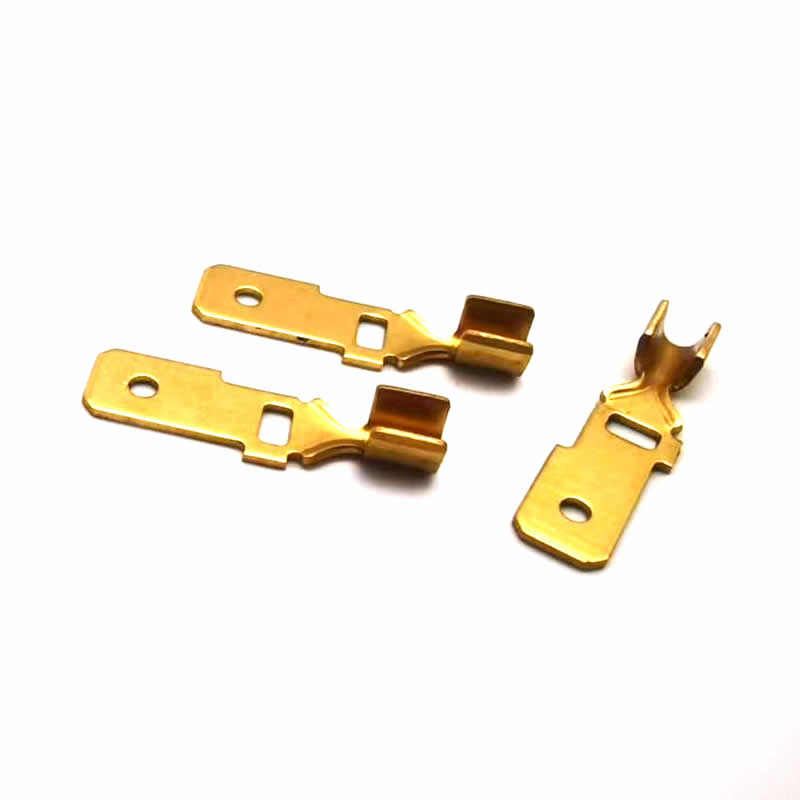
Высокоточная штамповка металла
Ищете микронную точность? Nuote Metals, китайская фабрика, осуществляет высокоточную штамповку металлов на заказ для сложных компонентов автомобильной, электронной и медицинской техники. Наши современные инструменты обеспечивают жесткие допуски и отсутствие заусенцев на кромках, исключая доработку и брак. Если вам нужны сложные формы или большие объемы, наш процесс штамповки гарантирует повторяемость деталей от детали к детали. Решите проблему плохой посадки и преждевременного износа с помощью точной штамповки металла. Доверьтесь нам, ведь мы гарантируем качество, которое сокращает затраты и повышает надежность.
Читать далееОтправить запрос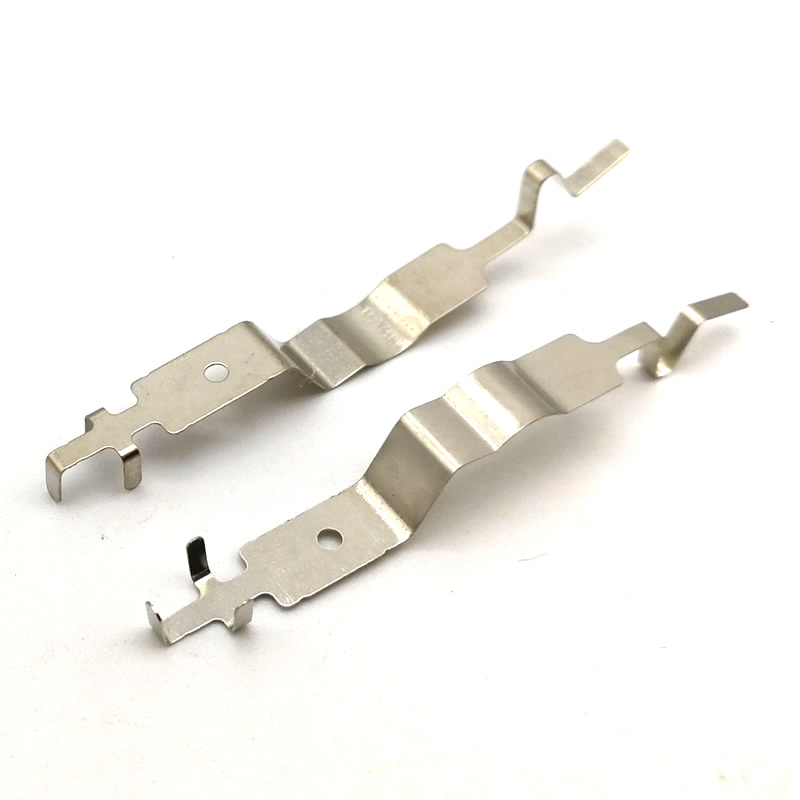
Штамповка мелких деталей
Из Китая производитель Nuote Metals предлагает штамповку мелких деталей для электроники и медицинского оборудования на заказ. Прецизионные штампы позволяют создавать крошечные детали с жесткими допусками. Надежное решение проблем миниатюризации. Доверяйте производителю качество в каждой мелочи.
Читать далееОтправить запрос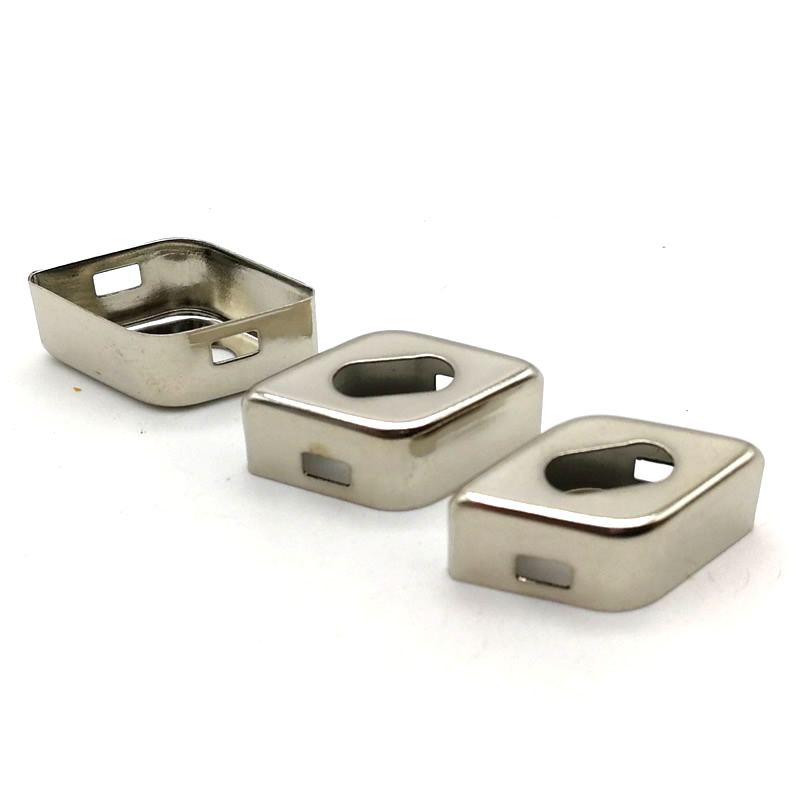
Штампованные стальные детали
Нужны прочные штампованные стальные детали? Nuote Metals, завод в Китае, предлагает штампованные стальные детали на заказ для тяжелого машиностроения и строительства. Наша высокотоннажная штамповка обеспечивает постоянную толщину и ударопрочность. Устраните структурные недостатки с помощью стальных деталей, рассчитанных на прочность. Положитесь на фабрику, которая обеспечит долговечность.
Читать далееОтправить запрос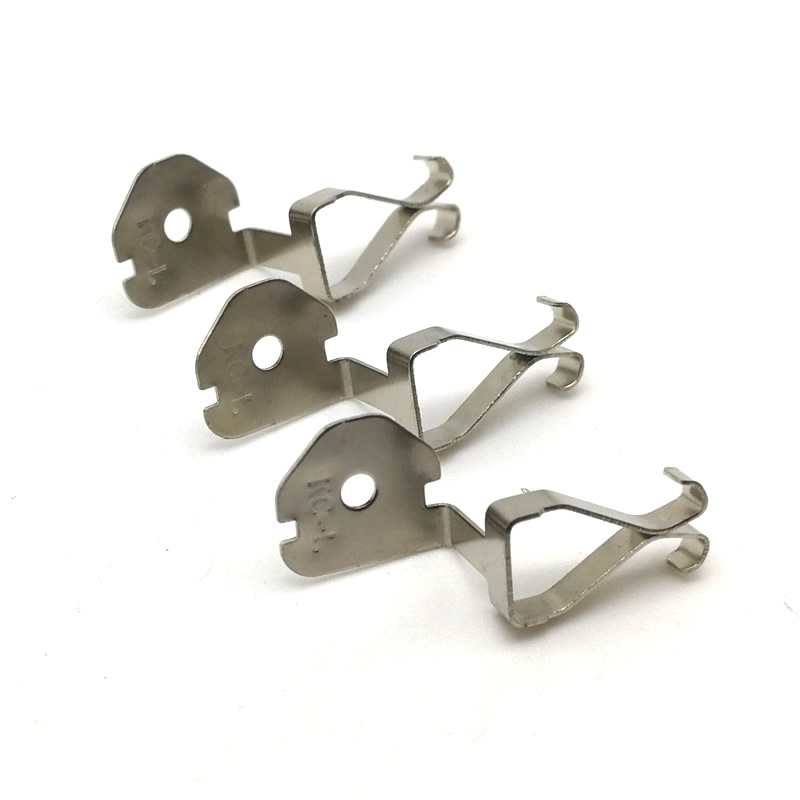
Штамповочные детали из нержавеющей стали
Ищете прочные штампованные детали из нержавеющей стали? Nuote Metals, завод в Китае, предоставляет индивидуальные решения для автомобильного и медицинского оборудования. Наша прецизионная штамповка обеспечивает устойчивость к ржавчине и точную посадку. Решайте проблемы коррозии и износа с помощью долговечных деталей. Доверьтесь фабрике за ее качество.
Читать далееОтправить запрос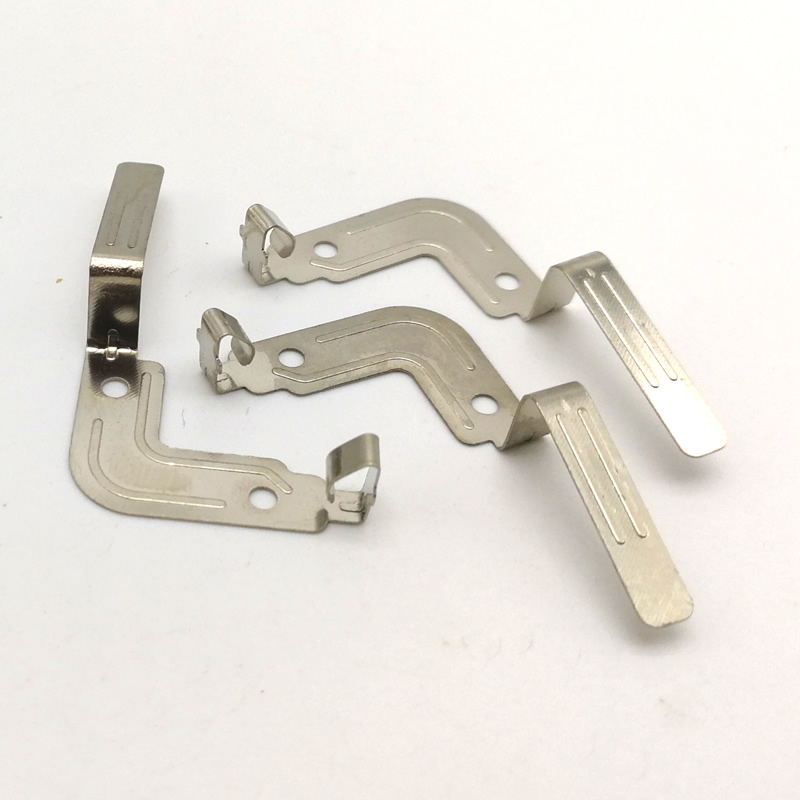
Высокоскоростная штамповка
На нашем заводе в Китае компания Nuote Metals осуществляет высокоскоростную штамповку прецизионных деталей по индивидуальному заказу. Этот процесс обеспечивает быструю производительность и жесткие допуски, сокращая затраты на заказы на автомобильную промышленность и электронику. Положитесь на нас в вопросах эффективного производства, которое обеспечит реализацию вашего проекта.
Читать далееОтправить запросSome important factors to keep in mind:
Plasticity and Grain Direction – Plasticity is a measure of the permanent deformation a material undergoes when subjected to stress. Metals with greater plasticity are more susceptible to forming. Grain direction is important in high-strength materials, such as tempered metals and stainless steel. If bending occurs along a high-strength grain, cracking is more likely.
Bending Deformation/Expansion: Bending deformation causes expansion of up to 1/3 of the material thickness. This deformation/expansion becomes more severe as the material thickness increases and the bend radius decreases. Web and "mismatch" cutting: This involves making very slight indentations or protrusions in the part, typically about 0.1mm deep. This feature is not required when using composite or transfer tools, but it is essential when using progressive dies.
Advantages and Limitations of Stamping
Advantages:
- Low cost: In mass production, the cost per part can be reduced to one-third of that of a cast part;
- High consistency: Dimensional tolerances can be controlled within ±0.1mm;
- High material utilization: Through nesting optimization, the utilization rate can reach over 85%.
Limitations:
- Long mold development cycle and high initial investment, making it unsuitable for large-scale production;
- Complex three-dimensional structures (such as hollow crankshafts) require integration with other processes.
Core Application Areas of Stamping Parts
1. Automotive Industry: Accounts for over 60% of total stamping part demand, including body panels and chassis components;
2. Electronics and Electrical: For example, metal mobile phone frames and heat sinks, thicknesses can be as thin as 0.2mm;
3. Home Appliance Industry: Refrigerator panels, air conditioner housings, etc., where surface aesthetics can be enhanced through electroplating or spraying.



X
Мы используем файлы cookie, чтобы предложить вам лучший опыт просмотра, анализировать трафик сайта и персонализировать контент. Используя этот сайт, вы соглашаетесь на использование нами файлов cookie.
политика конфиденциальности